
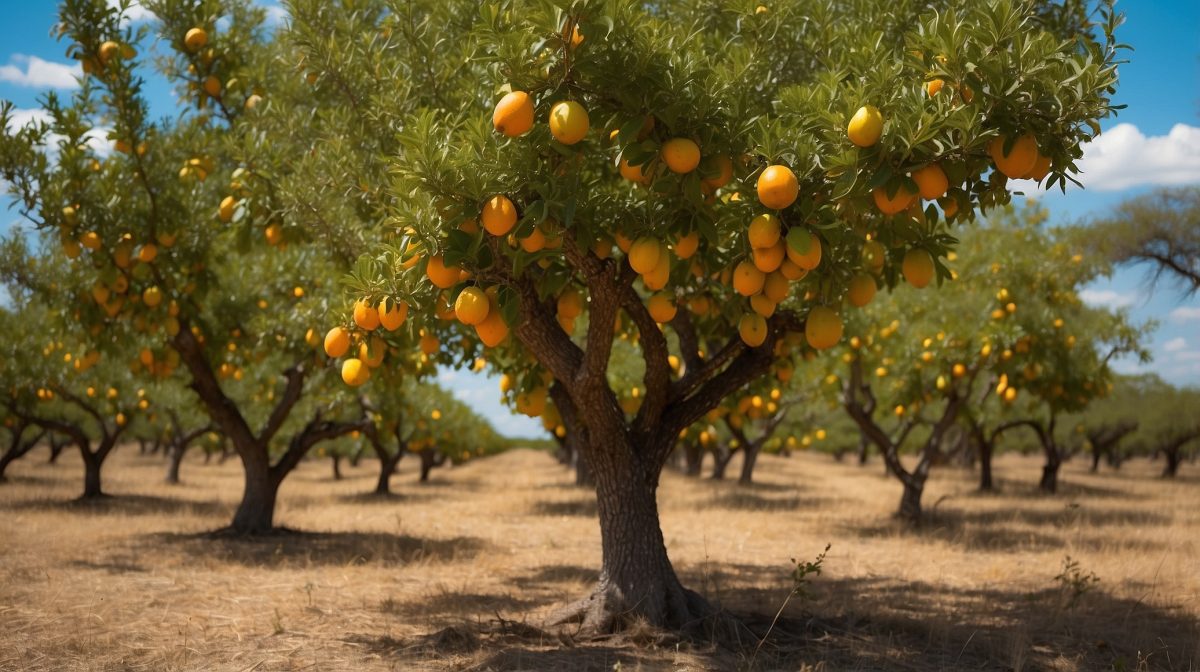
Now, I reckon it’s important to understand why these fruit trees fit so well in our neck of the woods. It’s more than just plantin’ and pickin’; it’s about continuin’ a legacy that’s been passed down through generations. So, sit back, grab a glass of sweet tea, and let’s delve into the roots of fruit growin’ in this cherished region of ours.
The Climate and Soil of Texas Hill Country
Now, if you’re curious about what makes the Texas Hill Country ideal for growin’ fruit trees, let me shed some light on the matter. Our climate here is just right, with warm summers that ain’t too scorching and winters that are mild enough to give the trees a rest without freezin’ their branches off. This balance is what these fruit-bearing beauties need to thrive.
As for the soil, we’re talkin’ about a variety that ranges from sandy loam to clay. Each type has its quirks when it comes to supportin’ fruit trees. But don’t you worry none; with a little elbow grease and know-how, you can prep your land to become a veritable Garden of Eden. Just remember, proper drainage and a touch of compost go a long way in givin’ your trees the home they deserve.
Popular Fruit Trees in Texas Hill Country
Peach Trees
Let’s start with the belle of the ball: the peach tree. Now, we got ourselves some varieties here that just love the Hill Country – like the ‘Harvester’ and ‘Loring’, to name a couple. These trees will reward you with some of the juiciest peaches you ever did taste, provided you treat ’em right. That means full sun, good soil, and a keen eye for pruning.
And when it comes to carin’ for these peach trees, regular waterin’ during dry spells and a watchful eye for pests will keep your trees happy as a clam. Don’t forget to thin out those peaches early in the season for a harvest that’ll be the envy of the whole county.
Plum Trees
Next up, we’ve got plum trees, and darlin’, they’re a sight to behold when they’re all loaded up with fruit. Varieties like ‘Methley’ and ‘Santa Rosa’ do particularly well around these parts. They’re not too fussy, but they do appreciate attention to detail when it comes to their care.
Keepin’ your plum trees pruned and watered is key, and you’ll want to be on the lookout for any signs of disease. With a little TLC, you’ll be makin’ plum preserves that’ll have your neighbors knockin’ on your door for the recipe.
Apple Trees
Now, don’t get me started on apple trees unless you’ve got time for a long chat. Hill Country favorites include ‘Gala’ and ‘Granny Smith’, and they’re as hearty as they come. These trees need a good chill to set fruit, and our winters are usually just right for that.
Prunin’ and harvestin’ apples is almost an art form, and when done right, it’s a thing of beauty. Keep those trees well-pruned to let the sunshine in and the air flowin’, and you’ll be rewarded with apples perfect for pies, cider, or just eatin’ straight off the branch.
Pear Trees
Pear trees, bless their hearts, are some of the toughest fruit trees we got. They can handle our clay soil like champions, especially types like ‘Kieffer’ and ‘Warren’. These trees ain’t too picky, but they do like their space and plenty of sunshine.
When it comes to upkeep, pears need a little less fiddlin’ than some other fruit trees. Just watch for fire blight, a common issue with pears, and be sure to prune ’em in the winter for best results. With proper care, you’ll have pears that are just perfect for canning or snacking.
Lesser-Known Fruit Trees That Prosper
Pomegranate Trees
Now, for somethin’ a bit different, let’s talk pomegranates. These trees are like hidden gems in the Hill Country. They’re tough, drought-tolerant, and the fruit is packed with goodness. Plus, they’re right pretty when they’re in bloom.
If you’re thinkin’ of growin’ pomegranates, just remember they like a spot that gets plenty of sun. They aren’t too picky about soil, but they do need a good drink every now and then, especially during those hot Texas summers.
Fig Trees
Figs are another delightful choice for our area, with varieties like ‘Celeste’ and ‘Texas Everbearing’ flourishin’ in our climate. These trees are real forgiving and don’t ask for much – just a sunny spot and a little room to spread their branches.
When it comes to waterin’ and fertilizin’, figs are low-maintenance. Just make sure they get enough water during dry spells and a bit of fertilizer in the spring, and you’ll be enjoyin’ fig preserves and fresh figs come summer.
Persimmon Trees
And let’s not forget about persimmons, y’all. We’ve got both native and non-native varieties that can handle our Hill Country conditions. These trees are as hardy as they come, and the fruit is just somethin’ special.
Harvestin’ persimmons is all about timin’, so keep an eye on ’em and pick when they’re just ripe. They’re great for eatin’ fresh, bakin’, or even dryin’ if you’re feelin’ adventurous.
Tips for Successful Fruit Tree Cultivation
Selecting the Right Location
Now, if you’re gonna plant fruit trees, you gotta start with the right spot. Look for a place that gets full sun most of the day and is sheltered from harsh winds. Trust me, your trees will thank you for it.
Also, consider the lay of the land. You want good drainage so those roots don’t get waterlogged. A gentle slope is ideal, but if you’re workin’ with flatter ground, just be sure to amend the soil or build up some raised beds.
Watering and Mulching Strategies
When it comes to waterin’, it’s all about consistency. Deep, infrequent waterings are better than a little sprinkle every day. And mulch, well, that’s like a cozy blanket for your tree’s roots. It keeps the moisture in, the weeds out, and adds nutrients to the soil as it breaks down.
Use organic mulch like wood chips or straw, and lay it a few inches thick around the base of your trees. Just keep it away from the trunk to prevent rot and critter problems.
Pest and Disease Management Specific to the Area
Pests and diseases can be a real thorn in your side if you’re growin’ fruit trees. But don’t fret; with a little vigilance and the right treatment, you can keep your trees healthy and productive. Keep an eye out for signs of trouble like discoloration, spots on leaves, or unusual insect activity.
And remember, prevention is key. Choose disease-resistant varieties when you can, and practice good sanitation by removin’ any fallen fruit or infected material from around your trees.
Pruning and Training for Optimal Health and Yield
Prunin’ ain’t just about makin’ your trees look pretty; it’s crucial for their health and the quality of the fruit. Remove any dead or diseased wood, thin out crowded branches, and shape the tree to let in light and air.
Trainin’ your trees when they’re young helps them develop a strong structure. Use stakes or trellises if necessary, and be patient; good things come to those who wait, especially with fruit trees.
The Joys of Harvest Season
Celebrating the Fruit Harvest in Texas Hill Country
Harvest season is like Christmas come early for us fruit tree growers. There’s nothin’ quite like the satisfaction of pickin’ a basket of fruit you’ve grown yourself. And here in the Hill Country, we take our harvest celebrations seriously.
We gather with friends and family, share recipes, and enjoy the fruits of our labor – literally. It’s a time of year that brings the community together and reminds us of the simple pleasures in life.
Community Events and Fruit Festivals
And speakin’ of celebrations, we’ve got community events and fruit festivals that’ll make your heart sing. From peach festivals to apple picking days, there’s always somethin’ goin’ on when the fruit is ripe for the pickin’.
These events are a great way to meet fellow growers, swap stories, and try out some delicious local treats. If you haven’t been to one yet, put it on your calendar – you won’t want to miss out.
Sharing the Bounty with Friends and Neighbors
One of the best parts of harvest time is sharin’ the bounty with those around you. There’s nothin’ like droppin’ off a basket of fresh fruit at your neighbor’s doorstep or tradin’ peaches for some homemade preserves.
It’s this spirit of generosity and community that makes livin’ in the Texas Hill Country so darn special. So go ahead, spread the love and the fruit – it’s what makes our world go ’round.
Conclusion
Growin’ fruit trees in the Texas Hill Country is more than just a pastime; it’s a way of life. The rewards are plentiful, from the shade of a leafy apple tree to the sweet taste of a ripe peach. It’s about connectin’ with the land, preserving our heritage, and enjoyin’ the simple things.
I encourage y’all to explore the wonderful variety of fruit trees that can thrive in our beloved region. Whether you’re a seasoned grower or just gettin’ started, there’s a place for you in the orchard. So here’s to livin’ the good life with fruit trees in the Texas Hill Country – may your branches always be heavy with fruit.
FAQs
What is the best time of year to plant fruit trees in Texas Hill Country?
The best time to plant fruit trees ’round here is late winter or early spring, right before they start to bud out.
How do I protect my fruit trees from the Texas heat?
Keep ’em well-watered, mulch around the base, and provide some afternoon shade if possible, especially for younger trees.
Can I grow citrus trees in the Hill Country?
Citrus trees can be a bit of a challenge due to our occasional freezes, but with protection and the right microclimate, it’s doable.
What are some common pests to watch out for in fruit trees around here?
Keep your eyes peeled for aphids, borers, and scale insects, as well as fungal diseases like powdery mildew and fire blight.
How can I tell when my fruit is ripe and ready to pick?
Check for a change in color, a slight softness, and a sweet, fragrant smell. And of course, the taste test never lies.